
PV Sindhu wins Japan Open beating arch rival Yamaguchi; first Indian shuttler to do so
.gif)

Download Mobile App 






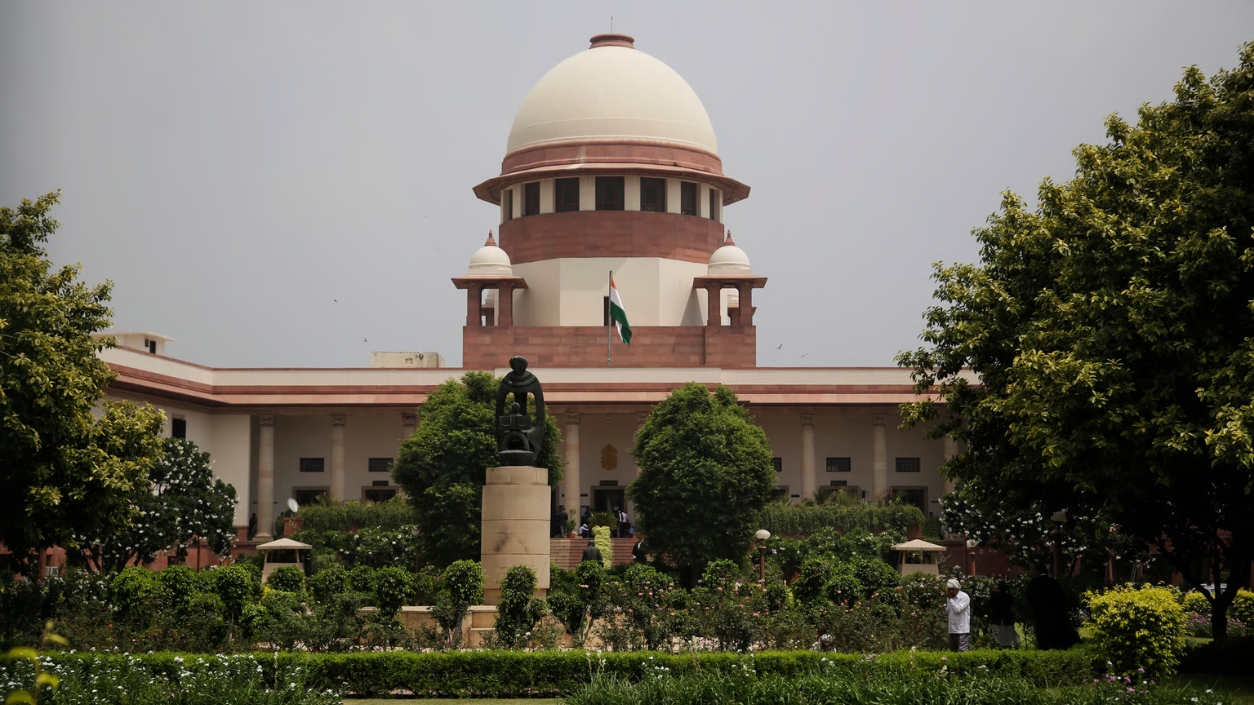
The Supreme Court of India has delivered a significant ruling concerning the exclusion of nearly 34 lakh names from the voter list, stating that pending appeals alone cannot be the basis for granting voting rights. The decision comes amid ongoing legal challenges over large-scale voter list revisions and concerns raised about disenfranchisement ahead of upcoming elections.
The bench, led by the Chief Justice, observed that the integrity and balance of the electoral process must remain paramount. The court clarified that allowing individuals with unresolved or pending appeals to vote would create administrative confusion and disturb the fairness of the electoral system. It further held that such interim relief is neither legally sustainable nor practically feasible at the stage of elections.
In its observations, the court made it clear that mere filing of an appeal does not translate into an automatic right to vote. Only those whose eligibility has been legally verified and confirmed within the stipulated timelines will be included in the electoral roll. This clarification has effectively narrowed the scope of immediate relief for the affected voters.
The ruling has major implications for nearly 34 lakh individuals whose names were removed from the voter list during the revision process. While many had hoped for temporary relief allowing them to participate in the electoral process, the court’s decision reinforces that only legally validated voters will be permitted to exercise their franchise. However, those whose cases are approved by appellate tribunals within the deadline will not be excluded from the final list.
The court also directed attention back to the appellate tribunals, which remain the primary forum for resolving such disputes. Multiple tribunals across the state are currently reviewing appeals related to voter eligibility. As elections approach, the efficiency of these bodies will determine how many individuals can ultimately transition from disputed status to confirmed voters.



.webp)
.webp)
.webp)

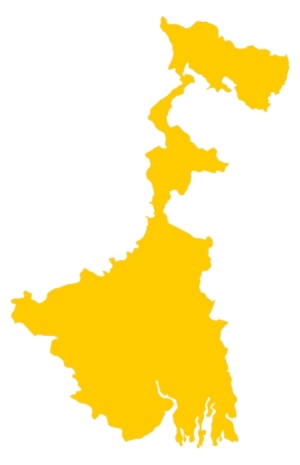 West Bengal
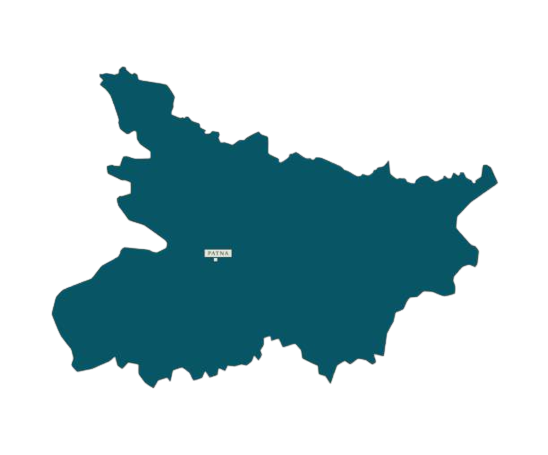 Bihar
Bihar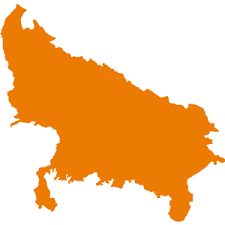 Uttar Pradesh
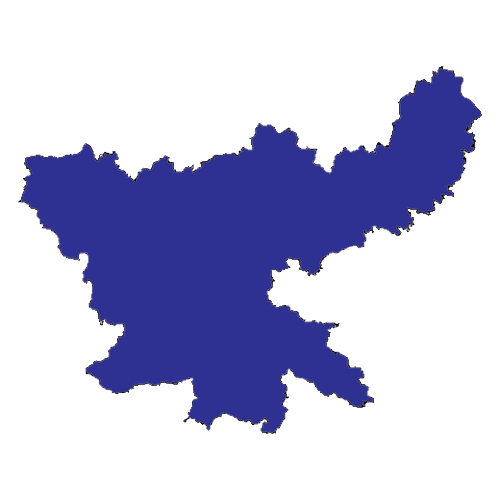 Jharkhand